
Apps & integrations
Payments & Shipping Apps for Smoother Shopify Checkout and Delivery
Compare Shopify payments & shipping apps, from Klarna and Clearpay to Royal Mail Click & Drop, and learn how to choose well. Book a free consultation.
Prefer to talk? Call +44 7476 560011 or message us on WhatsApp (opens in new tab)

Get paid and get parcels out with payments & shipping apps
The final two moments of an online sale decide whether a customer comes back: how easily they paid and how reliably the parcel arrived. Payments & shipping apps cover both. On the payment side, that means offering the methods UK shoppers expect, from cards and digital wallets to PayPal and buy now, pay later. On the delivery side, it means printing labels quickly, sharing tracking automatically and setting delivery rates that protect your margin without putting buyers off at checkout.
This category belongs to our wider Shopify Apps & Integrations guide, where tools are grouped by the job they do. Here we focus on the apps and settings that sit between the basket and the doorstep, the stretch of the journey where small frictions quietly cost the most sales.
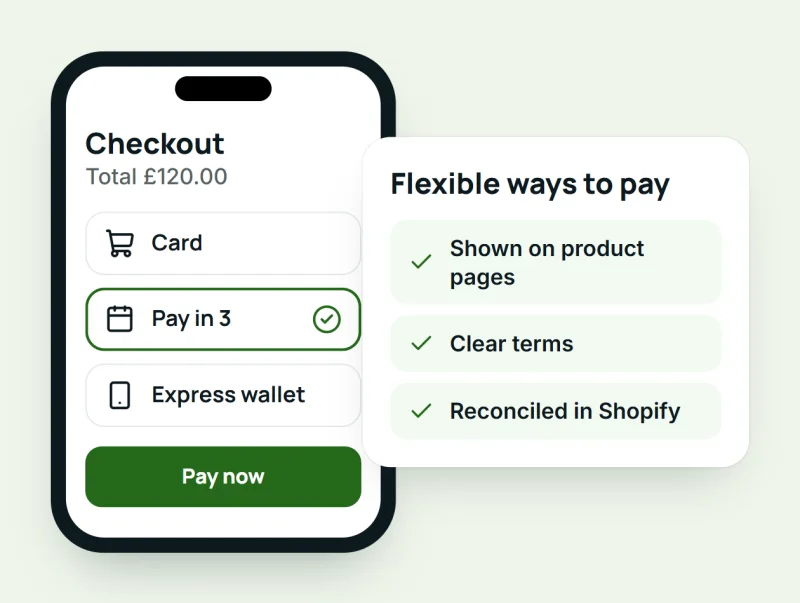
What payments & shipping tools cover
- Payment processing: Shopify Payments and additional providers such as PayPal, plus express wallets like Apple Pay, Google Pay and Shop Pay.
- Buy now, pay later: Klarna and Clearpay, letting customers spread the cost of larger orders.
- Labels and despatch: Royal Mail Click & Drop and multi-carrier platforms that pull in orders and push tracking back to Shopify.
- Rates and delivery options: shipping profiles, free delivery thresholds, local delivery and click and collect.
Common pitfalls for UK merchants
Problems usually appear where tools overlap. A third-party payment gateway can trigger extra Shopify transaction fees, instalment messaging can clutter product pages and slow them down, and shipping rates set once at launch drift out of line as carrier prices change. December piles on the pressure: last posting dates, courier capacity and customer expectations all tighten together, and slow despatch soon turns into a flood of delivery queries.
We look at the whole journey, from the payment button to the tracking email. Our specialists review your current checkout and despatch process, recommend the leanest set of tools, then configure and test everything on staging under NDA, so launch day is calm rather than chaotic and your team knows exactly how each tool works.
Payments & shipping tools to shortlist
Start with Shopify's own settings, then add specialist apps where they solve a real problem. These are the options UK brands most often weigh up.
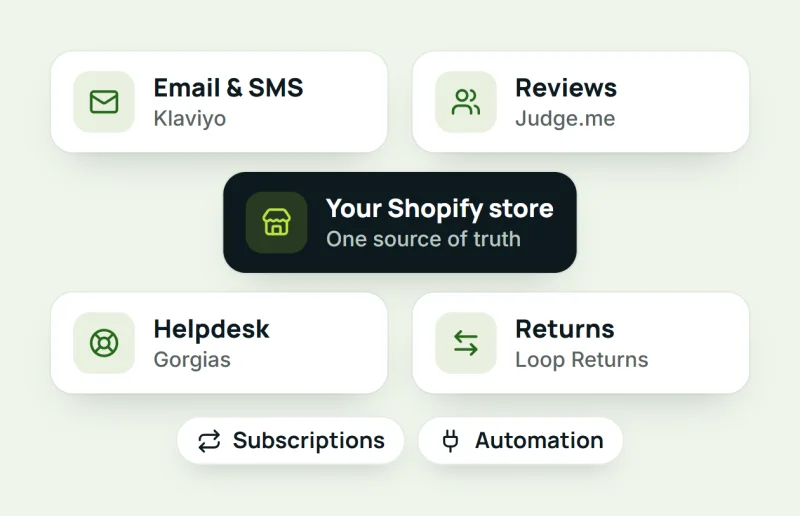
Shopify Payments
Shopify's built-in payment processor, available to UK merchants, accepts major cards and express wallets such as Apple Pay, Google Pay and Shop Pay. Payouts, disputes and fees are managed inside the Shopify admin, and using it avoids the extra transaction fees Shopify applies when you rely on a third-party gateway instead.
PayPal
Plenty of UK shoppers still prefer to check out with PayPal, so it often sits beside Shopify Payments as a second option rather than a replacement. It is added through Shopify's payment settings, and its express button lets returning PayPal users skip much of the form filling on mobile.
Klarna & Clearpay
Buy now, pay later providers that let customers split a purchase into instalments. Both offer on-site messaging that shows instalment amounts on product and cart pages, which can suit higher-value baskets in fashion, furniture and beauty. Placement choices affect page speed and layout, so they need careful testing on mobile.
Royal Mail Click & Drop
Royal Mail's online shipping tool imports Shopify orders, prints labels for Royal Mail and Parcelforce services and sends tracking details back to your store. It is a natural fit for UK brands posting letters, large letters and small parcels every day, and it keeps despatch simple for small teams.
Shopify shipping settings
Before adding any app, Shopify's own shipping profiles cover a lot: rates by zone, weight or order value, free delivery thresholds, local delivery and in-store pickup. Getting these right is often the quickest way to cut abandoned baskets caused by surprise delivery costs appearing at the last step.
Multi-carrier shipping platforms
Tools such as ShipStation and Shiptheory bring several carriers into one despatch screen. They suit brands mixing small parcels with bulky items, or shipping overseas, and support rules that choose a service automatically based on weight, destination or order value, saving pickers from making the same decision hundreds of times.
How to choose payments & shipping apps
Use these six checks to build a checkout and despatch setup that suits your products, your customers and the team packing the parcels.
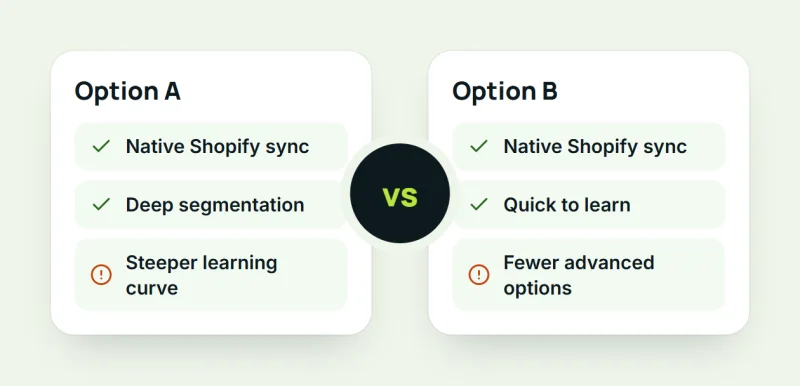
Start with how your customers pay
Look at your current payment mix in Shopify's reports before adding anything. A brand selling low-cost accessories needs fast card and wallet payments far more than instalments, while a furniture or occasionwear brand may find buy now, pay later removes a genuine barrier. Add methods for your buyers, not for the logo strip.
Keep checkout quick and familiar
Every extra redirect or form field gives a shopper a reason to leave. Express wallets shorten mobile checkout, and Shopify Payments avoids the additional transaction fees charged with most third-party gateways. If you do need another provider, test the full journey on real phones before switching it on.
Use instalments responsibly
Buy now, pay later messaging should be clear, accurate and placed where it helps a decision, not on every page. Check how refunds and partial returns flow back to the provider, and brief your service team so they can answer instalment questions without guessing.
Match carriers to your products
Letters and small parcels often suit Royal Mail, while bulky, fragile or high-value items may need a courier with stronger tracking and insurance. Write down weights, sizes and destinations for a typical month, then pick the despatch tool that handles that mix with the fewest clicks.
Set delivery promises you can keep
Clear cut-off times, realistic delivery estimates and a sensible free delivery threshold build trust faster than the cheapest headline rate. Review rates whenever carriers change prices, and plan around Christmas last posting dates well before December starts.
Plan for reconciliation and growth
Payouts, refunds and fees from several providers must still reconcile neatly for your accountant and VAT returns. If you plan to sell abroad, check how each tool handles other currencies, duties and international labels before you commit, so expansion does not mean rebuilding the stack.
Compare options and plan your next step
Shopify website cost
Fixed, ex VAT prices for app setup, new stores and monthly support, set out clearly in one place so you can budget before you call.
Shopify Checkout Extensibility Explained
How Shopify's checkout can be customised today, and what that means for the payment and delivery options you offer.
Shopify Markets: Selling Internationally from the UK
Currencies, duties and delivery to weigh up before you start shipping orders beyond the UK.
Apps Integration & Setup
How we install, connect and test payment and shipping apps at a fixed price, with QA before launch.
Make checkout and despatch work as one
Tell us how your customers pay today and how parcels leave your warehouse, and we will recommend the payment methods, shipping rates and despatch tools that fit. Your dedicated project manager agrees a fixed price, our specialists configure and test everything on staging under NDA, and you can book a live walkthrough on Zoom or Google Meet before customers see a change. Weekly updates and SLA support keep payments and deliveries running smoothly, including through the Christmas rush, when one late parcel can cost you a repeat customer.
Free consultation
Get help with your app stack
Share your details and a member of our team will follow up to arrange a brief discussion.
Tell us about your project
What happens next
- You send your store and project details.
- We follow up to arrange a short call.
- On the call, we talk through your goals and explain how we would scope the work.
Talk to us directly
Waverley House, 9 Noel St, London W1F 8GQ
Phone +44 7476 560011 WhatsApp +44 7476 560011 (opens in new tab) Email hello@shopifyagencylondon.co.ukPrefer the full contact page? Visit our Contact / Free Consultation page.