Returns are part of selling online, especially in fashion, footwear and homeware, but many are avoidable. A customer who receives the wrong size, a colour that looked different on screen or a product that does not match its description costs you postage, handling time and often the sale itself. This guide covers the tactics and tools that reduce Shopify returns for UK brands, from sharper product pages to self-service portals such as loop returns that turn refunds into exchanges. The goal is not to make returning difficult. It is to make the right purchase easier first time, and to keep revenue when a return does happen.
Why Shopify returns happen
Look at your return reasons and the same themes usually appear:
- Size and fit: the item is too big, too small or cut differently from what the shopper expected.
- Expectation gaps: colour, texture, scale or quality looked different online.
- Damage in transit: poor packaging or rough handling on the way.
- Wrong item sent: picking errors in the warehouse, often during busy peaks.
- Bracketing: ordering several sizes or colours to try at home and returning most of them.
- Change of mind: a legitimate right, but one that clearer information can reduce.
Remember the legal baseline too. UK consumer law gives most online shoppers the right to cancel and return goods, so your aim is to reduce avoidable returns, never to block legitimate ones.
Tactics that prevent returns before they start
Improve product pages
Add size guides with measurements in centimetres and inches, fit notes such as “runs small, size up” and model heights and sizes. Show products in use, from several angles and in natural light, and describe materials, weight and dimensions precisely. For furniture and homeware, include room shots and a simple scale reference. Reviews that capture fit and quality, collected by apps that support attribute ratings, give future shoppers honest guidance from people like them.
Set expectations on delivery and packaging
State delivery times clearly so nobody returns a gift that arrived too late, and pack fragile items properly. A little extra spent on protective packaging often costs far less than a damaged-goods return, a replacement and a disappointed customer.
Write a clear, fair returns policy
Explain the window, condition requirements, how to start a return and who pays postage, in plain English and in one place. Link to it from product pages and order emails. Clarity reduces disputes, chargebacks and support tickets.
Tools for managing Shopify returns
- Shopify's built-in returns. Create returns from the admin and let customers request them from their account, with rules such as your return window. A sensible starting point for smaller stores.
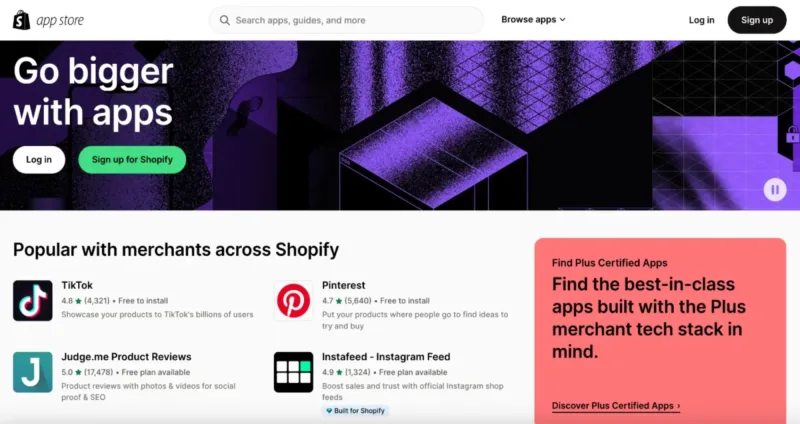
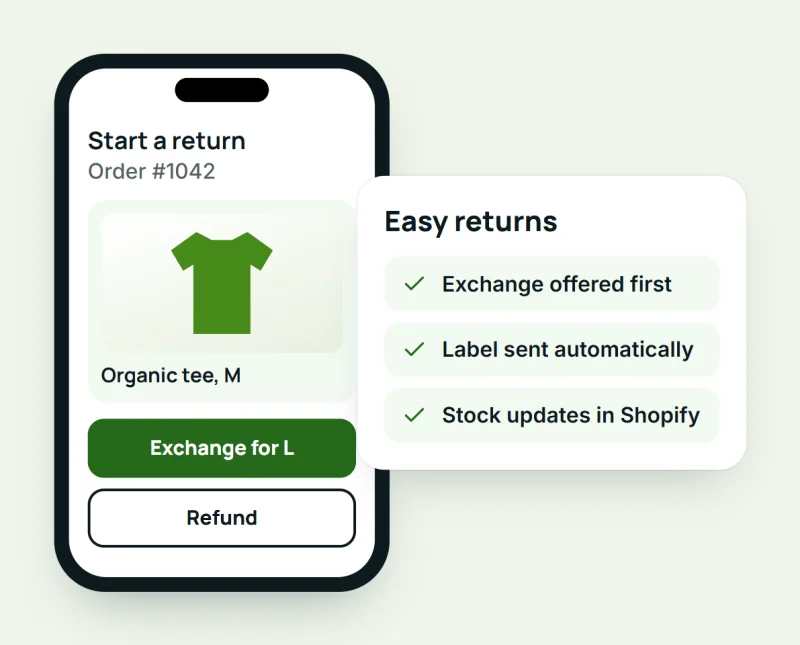
- Returns portals. Apps such as Loop Returns and AfterShip Returns offer branded, self-service journeys that suggest exchanges or store credit before a refund.
- Carrier returns services. Royal Mail and other UK carriers offer business returns options, including drop-off at Post Offices, parcel shops and lockers.
- Reviews with fit data. Reviews apps that collect fit and quality ratings turn past returns into better guidance for future shoppers.
- Automation. Shopify Flow can tag refunded orders and alert your team to patterns worth investigating.
Plan for the January returns peak
Gifts bought in November and December come back in January. If you extend your returns window for Christmas, say so clearly, plan extra time for inspection and restocking, and promote exchanges so the new year does not hand back revenue you earned in December.
Measuring what matters
Track return rate by product, variant and reason, not just as a store-wide figure. Review the worst performers monthly, fix descriptions, imagery or size guidance, then watch whether the pattern improves over the following weeks. Share the findings with buying and design teams, because some issues, such as inconsistent sizing between suppliers, can only be fixed upstream. As AI tools improve product content and customer service, our AI for Shopify Stores hub shows how they can answer sizing questions before an order is placed.